A Rooftop in Athens
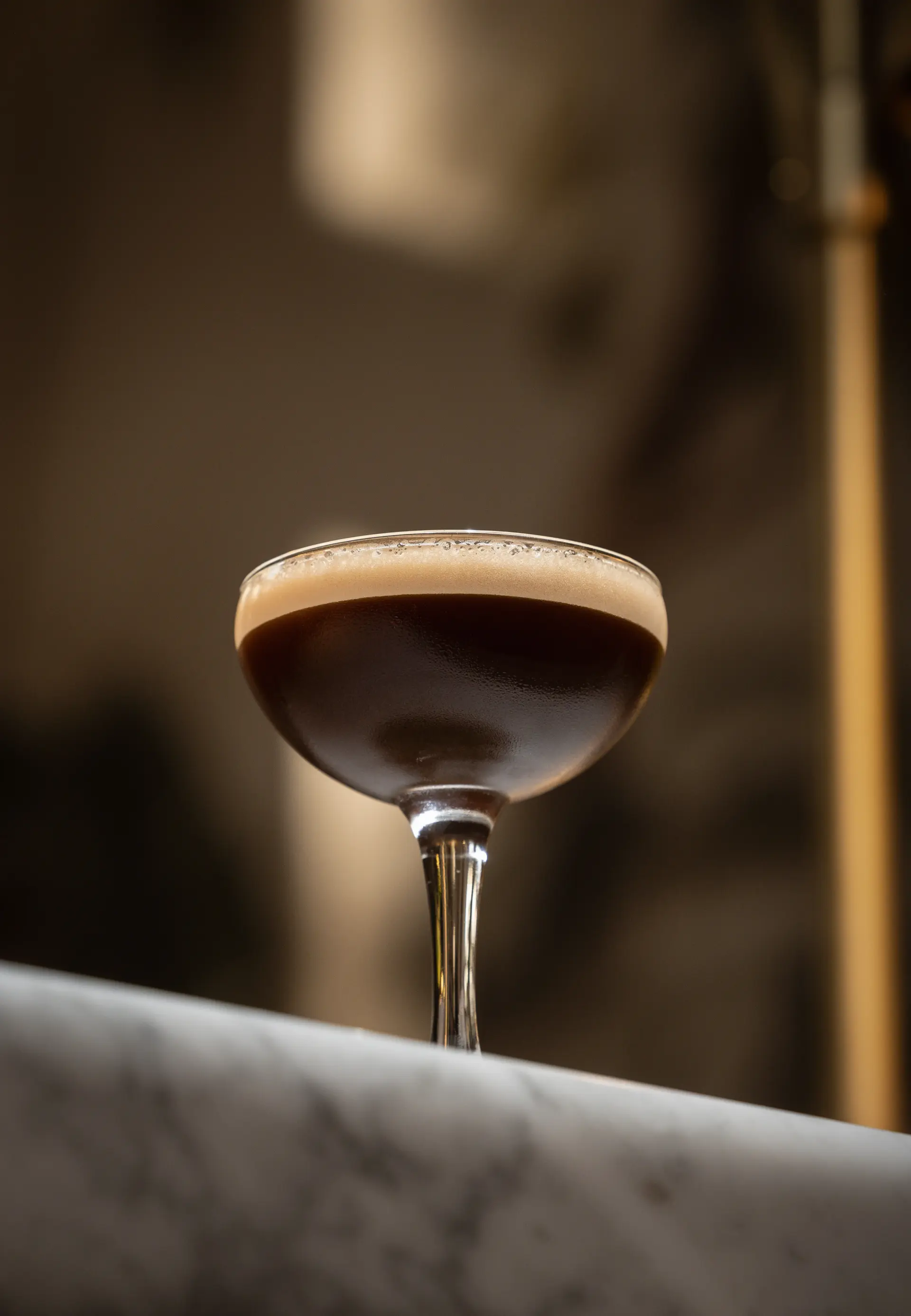
There's a rooftop in Athens where the sun reaches the cup before it reaches the table. You hold a coffee, the Acropolis sits a few blocks away as if it's an old neighbour, and the light slips in at exactly the angle that makes the morning feel slower than it is. You don't remember the room you slept in twenty minutes ago; you remember the way that coffee tasted in that light.
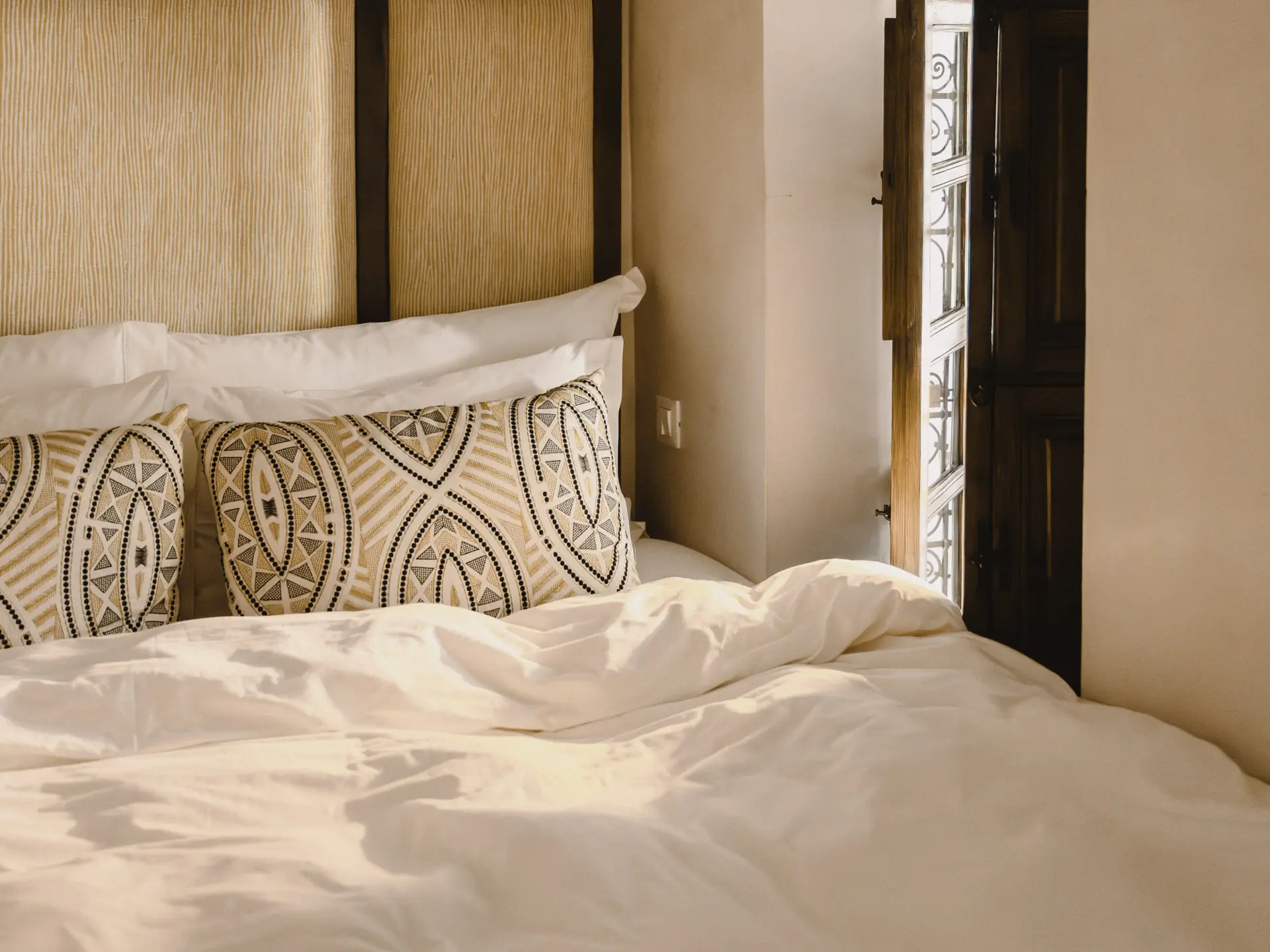
Spend an afternoon afterwards scrolling through hotel websites and you will notice something: almost nothing else sticks. Bedrooms with white linen, marble bathrooms, dining rooms with chairs in a line, balcony views; technically competent, well-lit, in focus, properly composed. By forty hotels, every image blurs into the one before it. By the hundredth, the morning on the rooftop is the only image that's still in your head.
That difference is what unforgettable hotel photography does.
What Guests Are Really Searching For
When a potential guest scrolls a hotel website, they aren't hunting for proof that rooms exist. They already know rooms exist. What they're searching for, often without naming it, is permission to imagine themselves in your space, permission to believe that a stay here would feel different.
We keep seeing the same patterns in the photography that fails to give that permission, regardless of the property's price tier. The photographs were shot to prove rather than seduce, to document rather than promise, to show a room rather than a possibility. We also keep seeing the patterns in the photography that works, across very different kinds of property, climates, and price points. The work that converts isn't necessarily expensive; it's deliberate. It chose the hour, it chose the angle, it chose what to leave out.
The conventional wisdom in hotel photography is to shoot brightly, evenly, with every corner visible and no shadows and no mystery. That wisdom is incomplete: brightness without nuance is alienating, the light of a showroom rather than a home. The conventional wisdom also says people complicate photographs and should be removed from frame. That wisdom is also incomplete; the absence of people is the absence of permission to imagine real life unfolding.
The good photographers we work with don't break conventions for the sake of it; they simply orient the camera around something the conventions miss: the moment a guest pauses on the threshold, the texture of fabric against late-afternoon light, the half-finished bread on a breakfast plate that proves a kitchen runs and a baker actually shows up. The result is photography that doesn't just exist; it argues for the place.
Why This Pays Off Quietly
There is a quiet economic case for this kind of photography that owners rarely talk about openly. A hotel that photographs itself well attracts guests who book direct. They have already seen something they want, and they'd rather not put a platform between themselves and that thing. They pay rate, because the photography promised something specific and discounting it would feel wrong. They review well, because the property delivered the experience the images implied.
A hotel that photographs itself poorly relies on platforms to be found, on discounts to convert, on review scores to reassure first-time bookers. Each of those dependencies is a quiet drag on margin; none of them rebuild the property's identity, and all of them slowly hollow it out.
The investment in photography that matters is rarely the camera. It is the briefing: the half-day spent in the space before a single frame is taken, followed by the choice of hour, the choice of weather, the choice of what to include in the edit and what to set aside. Owners who think of photography as a one-day expense miss this. Owners who think of it as the most leveraged design decision they'll make this year are usually the ones whose websites people remember.
Five Principles for Photography That Earns Its Place
One: Mood Over Documentation
Decide, before the shoot, what mood you want your photography to create: calm, energy, intimacy, discovery, refuge. Then photograph the mood, not the inventory. A technically perfect image of an empty room creates the mood of emptiness; the same room at golden hour, with soft light and the evidence of someone moving through the space, creates the mood of possibility. The difference takes nothing more than the choice of hour and the willingness to wait.
The drift away from this principle is to confuse coverage with quality. Forty competent images of every room are beaten, every time, by ten photographs that mean something.
Two: Honest Light
Don't sanitise light, don't flood everything with artificial brightness, work with the light that actually exists in your space, and shoot at the hour when that light is most interesting. Real light is beautiful; flattening light is killing your photography. The drift away from this principle is to imitate the photography of the showroom, where every surface is uniformly lit and every shadow eliminated. Showrooms sell furniture; you are selling a place.
Three: People in the Frame
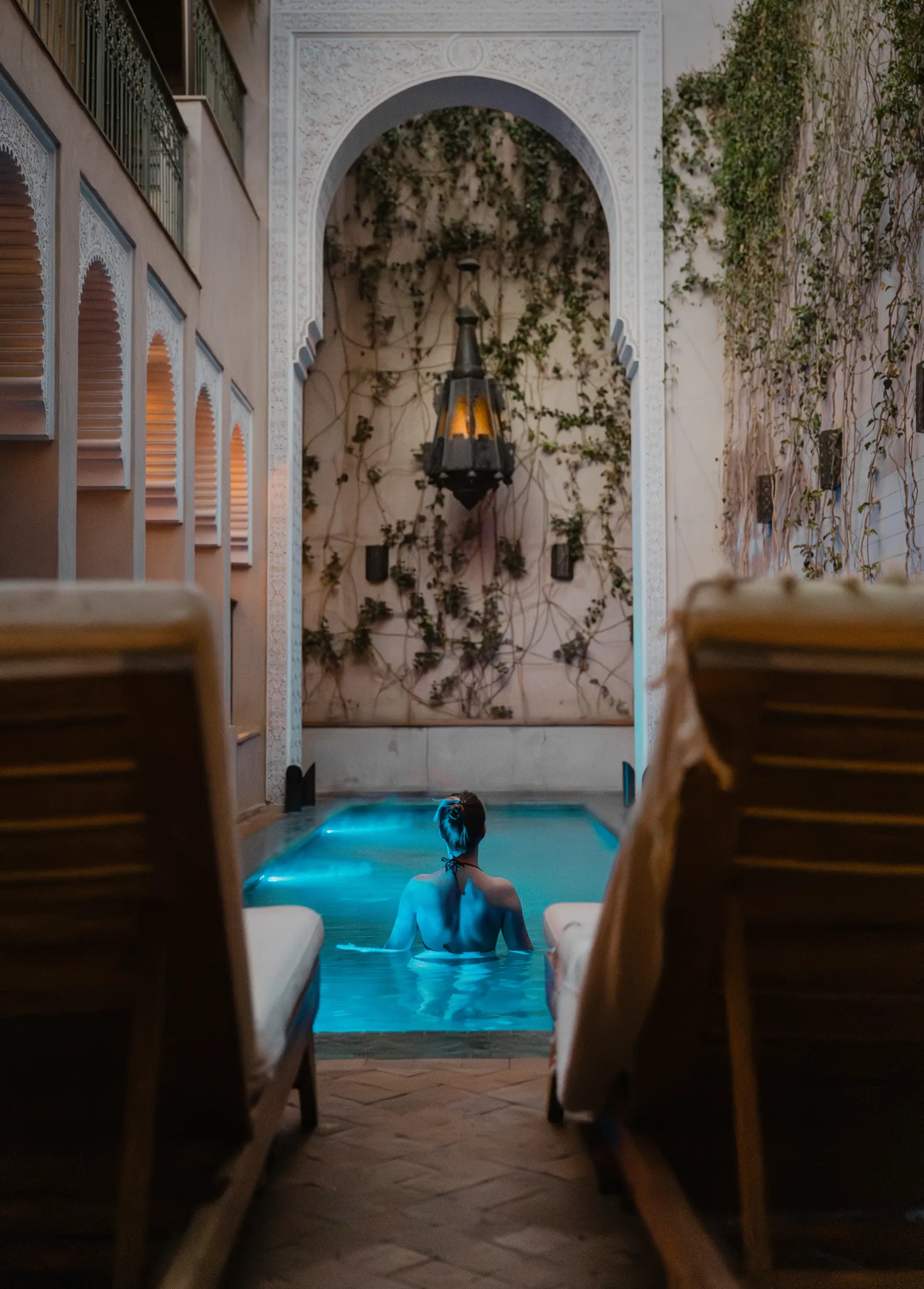
A guest alone in a hotel is lonely; a guest in a space with other humans, or with the evidence of human care, is part of a story. Include people in meaningful ways: staff in moments of unselfconscious presence, a hand on a railing, a cup mid-conversation. If you don't want guests in every photograph, photograph the evidence: a coffee cup half-finished, a book left open, a jacket on a chair.
The drift away from this principle is the convention of the empty hotel, which reads, eerily, as if the hotel is for no one.
Four: A Visual Signature
Every hotel has something that makes it different: a material, a light, a view, a quality of pace. Identify that signature, then photograph it obsessively. Not just once, but over and over, in different contexts, from different angles, in different light. The signature is what survives a thumbnail; the signature is what gets remembered after the website is closed.
Five: Coherence Across the Library
Every image in your library should feel as though it came from the same sensibility. Not the same angle, because variety is good, and not the same composition, because rhythm matters, but the same mood, the same relationship to light, the same values about what matters. The drift away from this principle is the patchwork hotel: a wedding photographer's frames mixed with an estate agent's mixed with a phone snap from 2019. The viewer scrolls through and gets a sense of miscellany, when they were looking for vision.
How the Studio Has Approached This
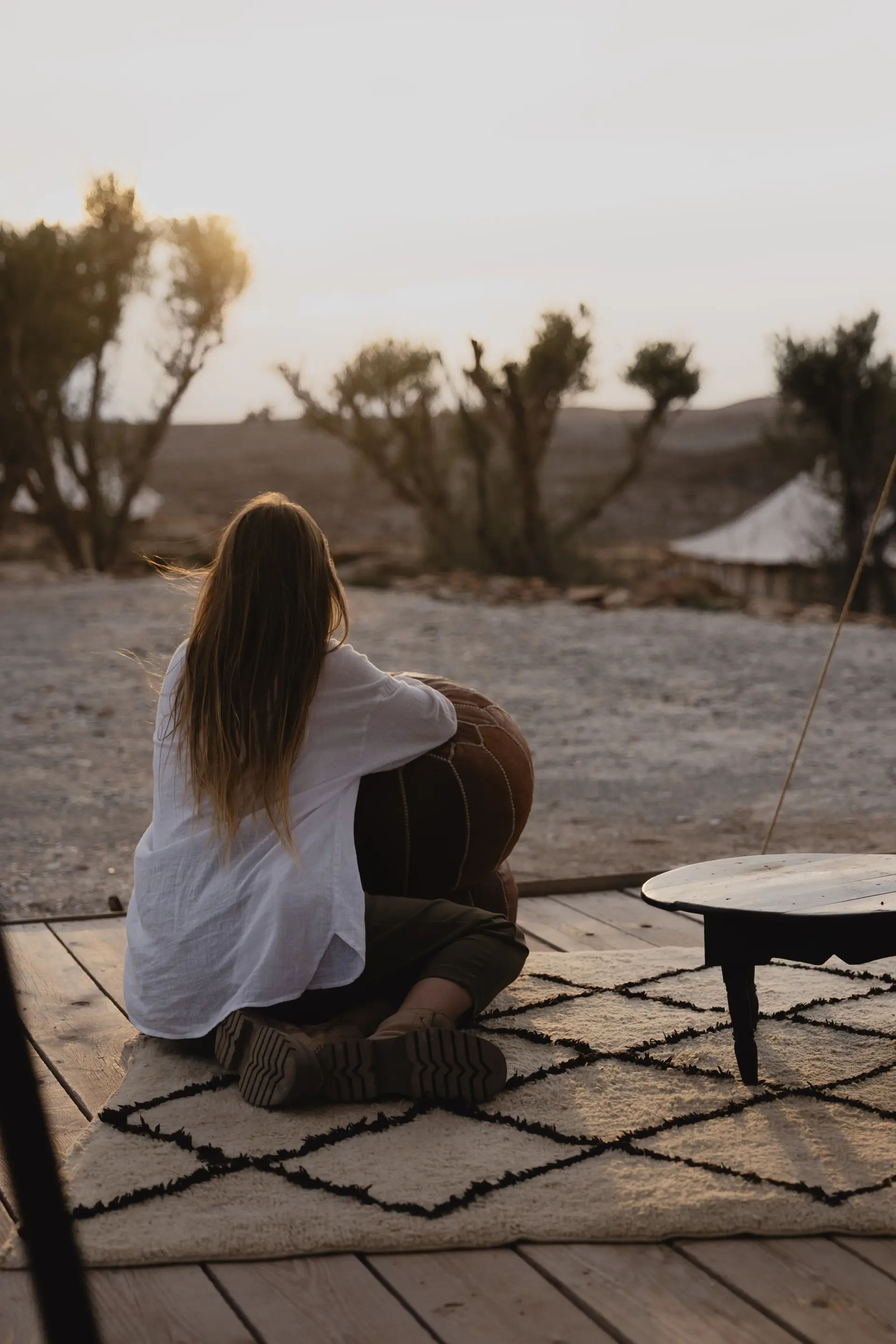
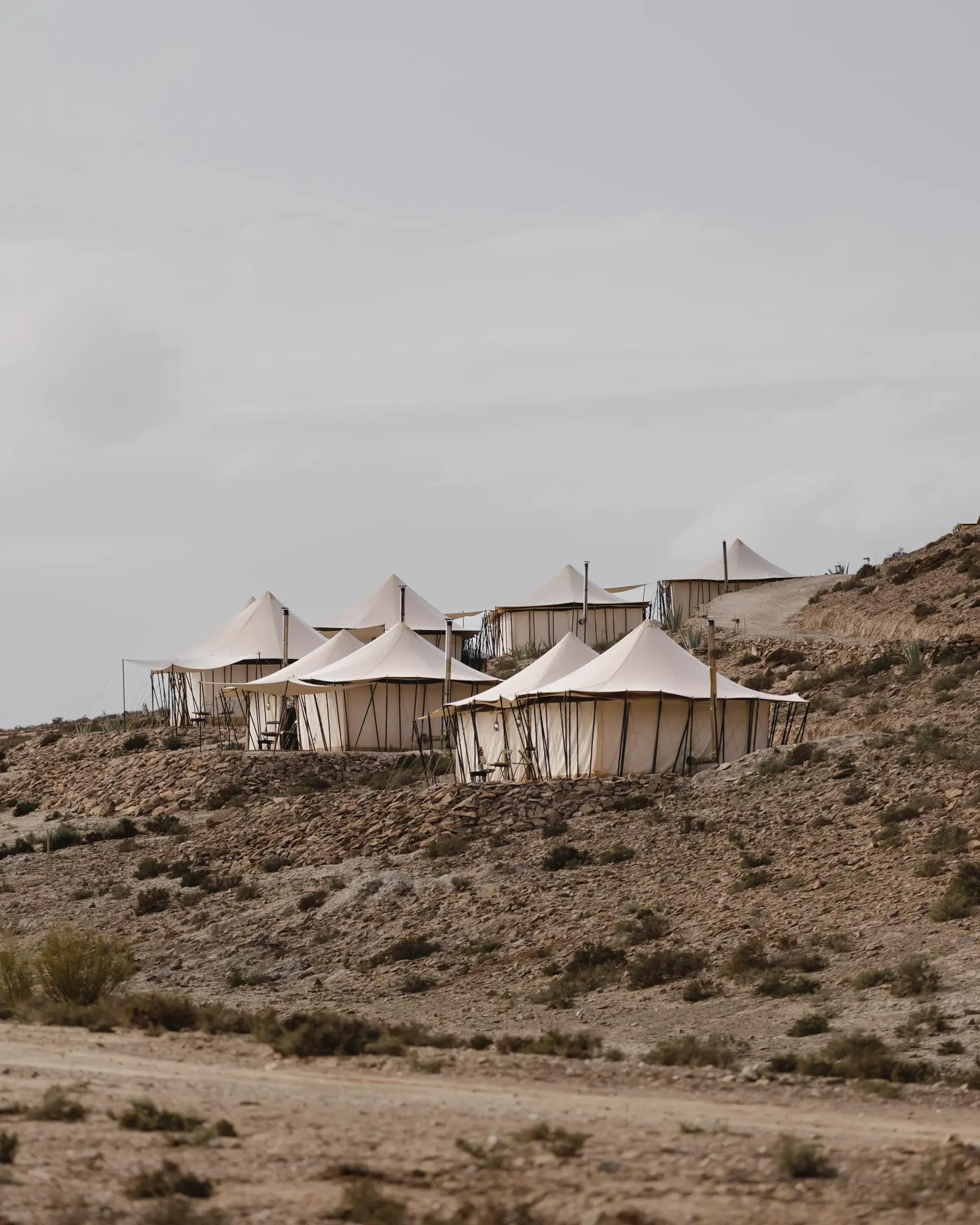
A camp in the Agafay outside Marrakech came to us with a clear instinct that its photography wasn't matching its property. The brief we agreed on wasn't photograph the tents and the communal spaces; it was show what it feels like to wake up here, show what it feels like to eat under the stars, show the texture of the place rather than the furniture. We worked with the desert's own light, the kind that changes hour by hour and rarely repeats. We photographed staff in moments of genuine presence rather than rehearsed welcome. We captured texture: the woven fabric of the tents, the colour of sand against the sky, the worn comfort of a low chair set out for an evening that would last three hours.
A hotel in central Athens had a different challenge. It was an industrial conversion with strong material identity, and the early photography had been shot to look like an interiors magazine, every shadow softened, every edge polite. The work we did instead leaned into the building's bones and its contemporary warmth, kept the natural light, kept genuine human presence in frame, and added detail shots that revealed craft and curation. The photography didn't sanitise the space; it acknowledged the industrial edges and showed how those edges created intimacy.
Both properties shared a result, even though they shared almost nothing else. The photography made you want to be there.
An Argument, Not a Proof
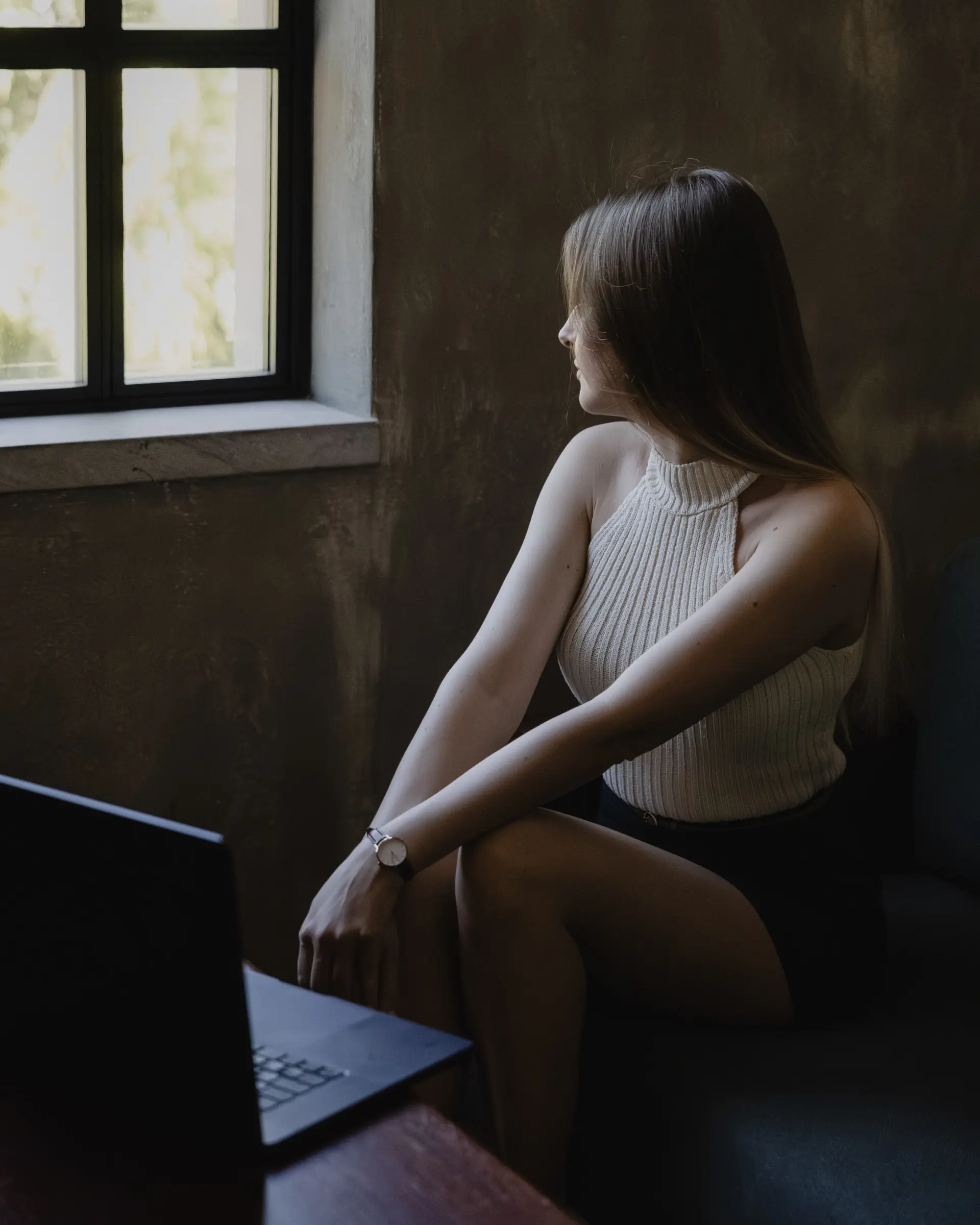
A photograph isn't proof that your property exists; it's an argument for why someone should come. The hotel with the waiting list isn't full because it has better rooms. It's full because, somewhere, someone created photography that made people want to stay there, and then kept making it, season after season.
Offpath Creative Studio specialises in story-led photography for boutique hotels, restaurants, and experience brands. If your hotel's images aren't yet doing the work of making guests want to book before they ever check in, let's talk about what's possible for your property.
Let's talk