Two Hotels, the Same Street
You walk down a narrow street in Stockholm, take a left at the corner where the cobblestones get uneven, and you find two hotels metres apart. The first is full, three months out, with bookings stacked like firewood. The second quietly hunts for guests on every platform it can list itself on, undercutting its own rate to fill beds.
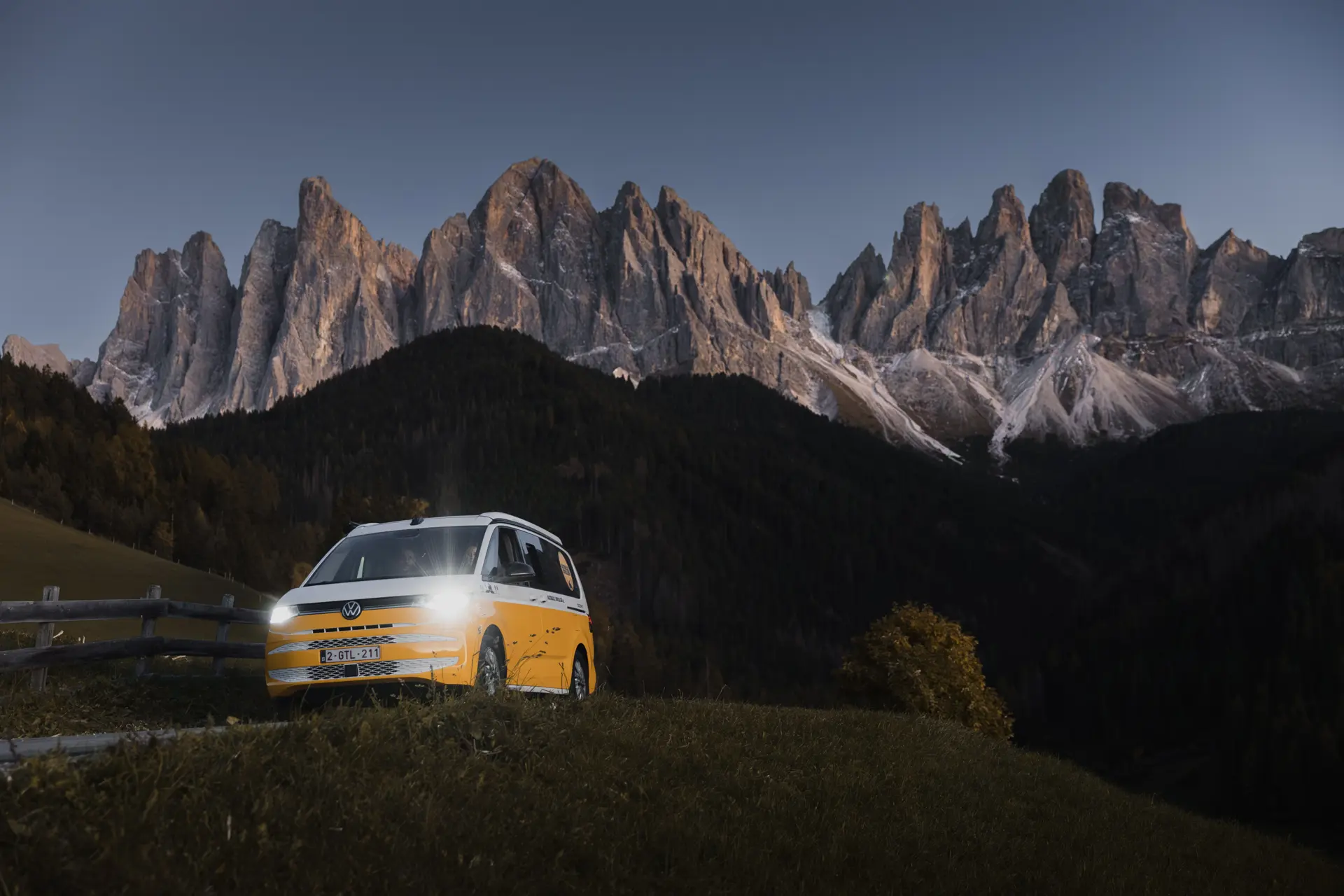
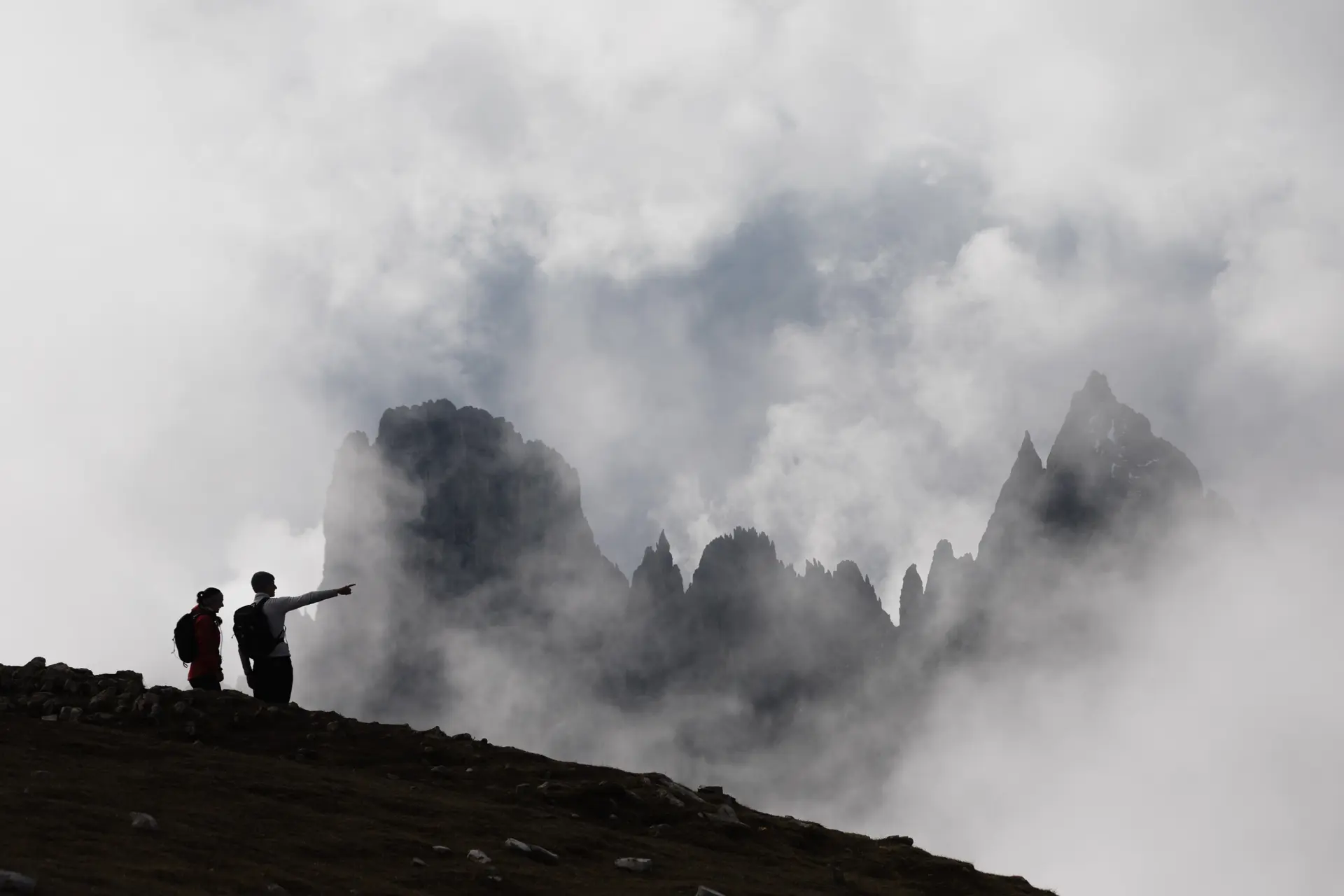
These hotels share a postcode, a foot traffic pattern, and probably the same coffee machines. One is chosen sight unseen; the other is chosen by default when the first is full. We've watched this pattern repeat across continents, from Marrakech to Brussels to a small mountain town in the Italian Dolomites, and it isn't accident, it isn't luck, it isn't even marketing in the conventional sense.
It's something quieter and more consequential: coherence.
What Guests Actually Recognise
When a potential guest lands on a hotel's website, opens a confirmation email, walks through the door, or reads a review, they aren't consciously checking a box marked "branding". They're feeling something, recognising something. And that quiet sense of this place knows who it is is the difference between a booking and a scroll-past.
This is the territory of boutique hotel branding. Not the territory of logos and colour palettes, though those matter, but the territory of invisible forces, the things that make a guest feel they have found a place that gets them.
The rise of boutique hotels was never about better beds or fancier showers. It was about resistance to homogenisation, to the interchangeable sameness of corporate hospitality. A boutique hotel is, at its core, an act of curation: someone looked at the world and said, I notice things; I care about texture, light, craft, the stories of a place; I am going to build a hotel that reflects that. That person created something that couldn't be replicated by a design-by-committee approach, couldn't be templated, couldn't be franchised without losing its soul.
But here's what we keep seeing: many boutique hotels are built with that curating spirit intact, yet somewhere on the journey to market they lose it. They get professional, they get generic, they try to appeal to everyone.
The hotel that's full three months in advance didn't crack this by accident. It maintained coherence across every touchpoint, and every image, every word, every interaction sang the same quiet song.
Why Coherence Pays for Itself
Coherence is not an aesthetic preference; in plain commercial terms, it is the property's most underused asset. A coherent boutique hotel attracts guests who book directly and pay full rate without negotiation, who choose it before alternatives surface, often on the strength of a single image they remembered from somewhere, and who travel further, stay longer, and return. And, though few owners will openly say this, it attracts the right guests: people who align with what the hotel is, rather than people who treat it as a generic bed for the night.
The hotel without coherence does the opposite. It depends on platform algorithms to be discovered, on price discounts to convert, on review scores to reassure. Each of those dependencies is a quiet tax on the business: a percentage to the platform, a percentage to the discount, and an unmeasurable amount to the guest who arrived with low expectations and treats the property accordingly.
A coherent brand is the property's only durable answer to this. It builds the kind of recognition that survives a thumbnail, earns the kind of trust that makes a guest book direct, and earns the kind of price that doesn't need defending. None of this requires a bigger marketing budget; it requires that the marketing budget already in place be spent on the right thing, on making the hotel unmistakably itself. The good news for any owner reading this is that coherence is not a function of money; it is a function of attention.
The Four Pillars of Boutique Hotel Brand Identity
When we work on a hotel brand, we move through four interconnected territories. Threads in a single narrative, not separate disciplines.
Pillar One: Photography
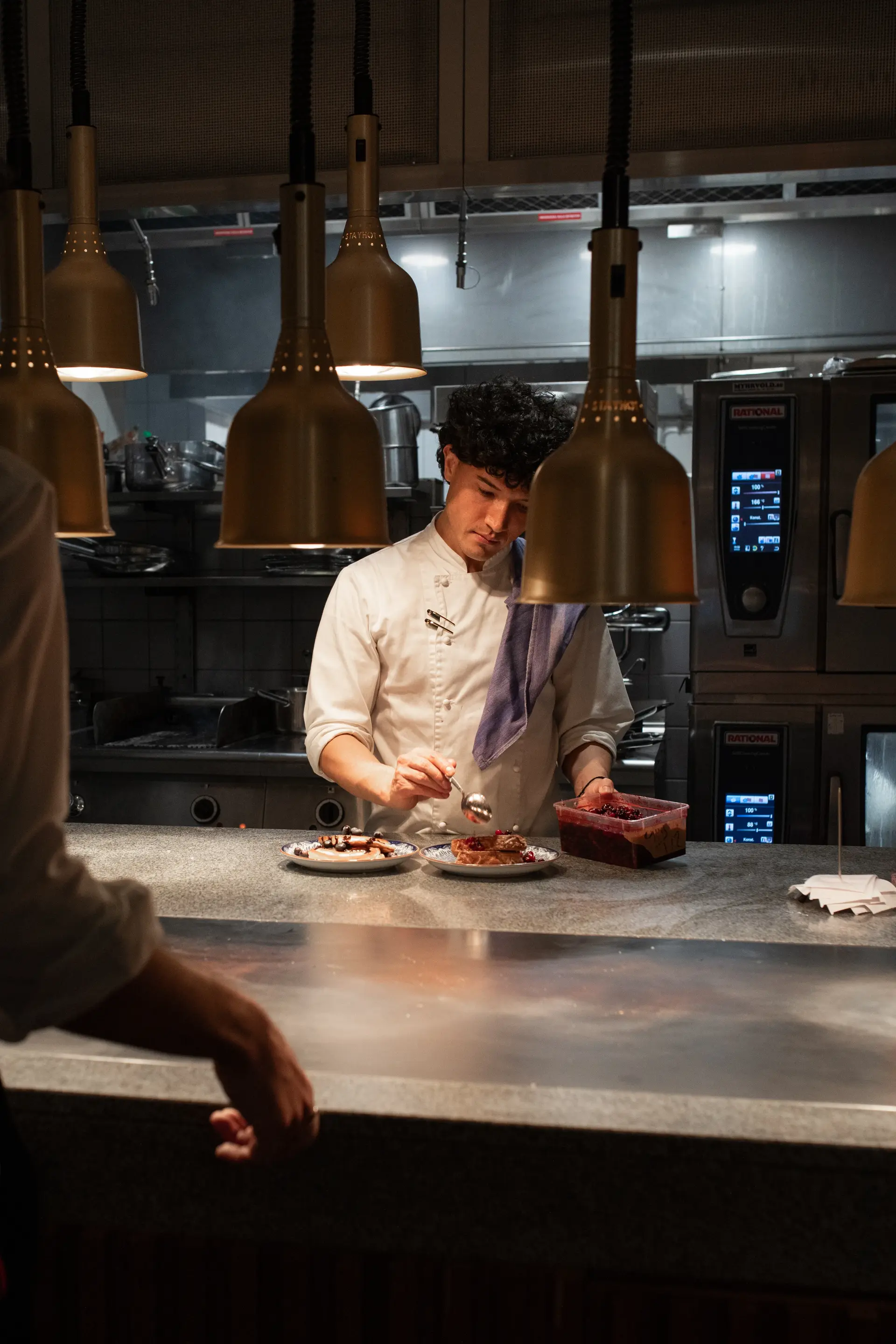
Photography is the primary language of hospitality, the way a guest decides whether they feel at home in a space they have never seen. Most hotel photography is documentation: a room, a view, a breakfast table, proof that this is real, then nothing. Guests look at it, think fine, functional, and move on to the next hotel's equivalent.
Unforgettable hotel photography tells a story. It shows mood, light, the presence of people. It captures what it feels like to be in that space, not just what the space contains. The strongest hotel photographers we've worked with never start by photographing rooms; they start by photographing light, waiting for the moment when morning spills across a window at exactly the right angle, noticing the barista leaning against the counter with unconscious grace, finding the worn leather and the afternoon dust motes (the careful imperfections that make somewhere feel lived-in rather than staged). That's when the camera comes out.
The drift away from this pillar is to confuse "professional" with "polished", and to flood every frame with sanitising light.
Pillar Two: Voice and Copy
A hotel's voice is how it speaks to guests before they arrive: the website copy, the description on booking platforms, the email confirmations, the tone of the social caption. Most hotel copy is anxious, trying to justify itself: we have 24-hour room service, our staff speaks six languages, WiFi is complimentary. It's a feature list dressed up as prose.
The strongest hotel copy we've ever encountered came from someone who spent days simply being in the space before writing a single word, watching how guests paused when they first walked in, noticing what they reached for, what they photographed, what made them exhale. The writing that emerged didn't list amenities; it extended quiet invitations: this is a place where you'll slow down, where the light is honest, where hospitality still means something.
Voice says, in fewer words than that: we know what we are, and we know who we're for.
Pillar Three: Visual Identity System
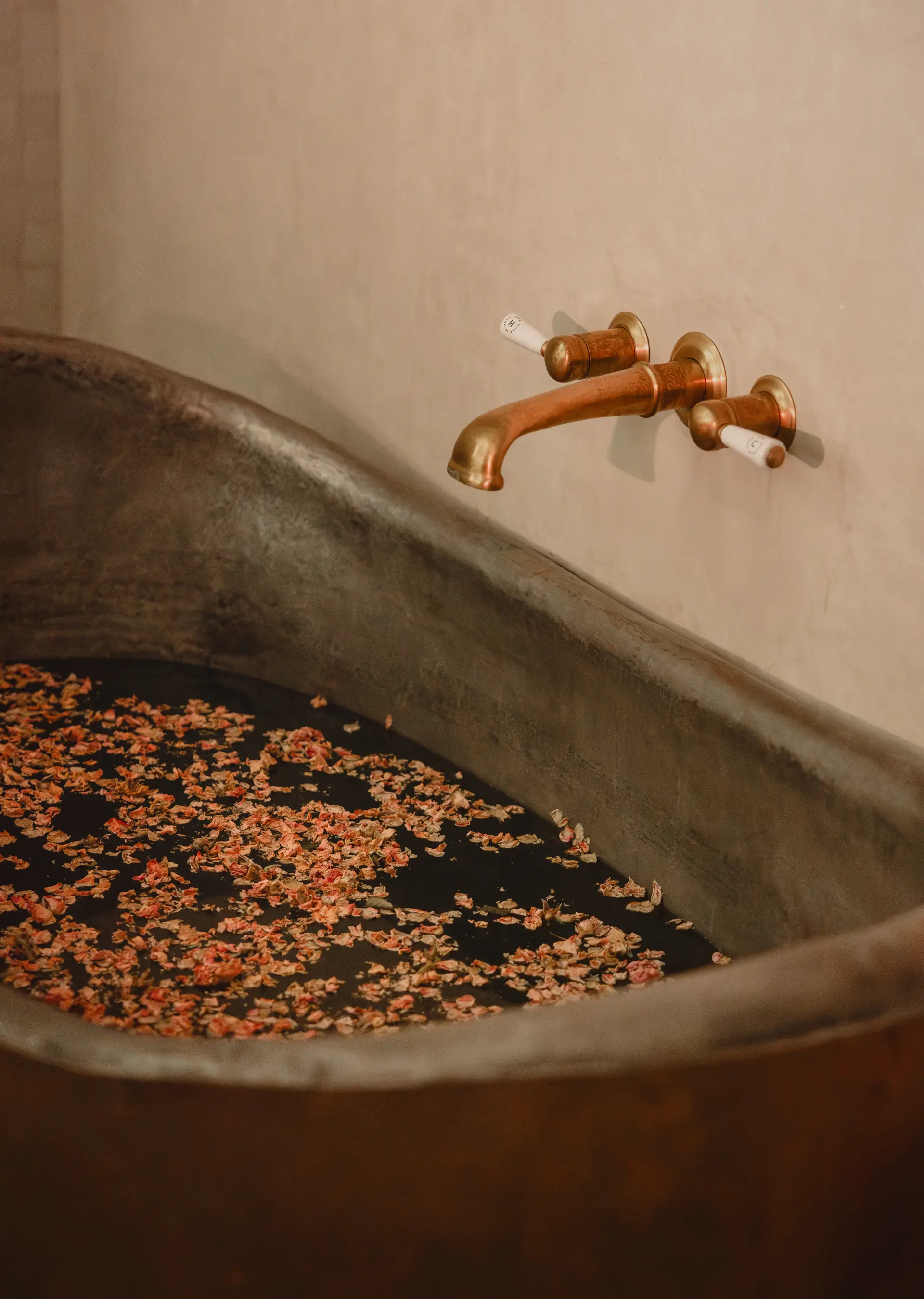
This is where most hotels get confused. Visual identity is broader than a logo and a colour palette, though it includes those things; it is the visual grammar that makes a hotel recognisable across all contexts. Consider a hotel built inside a former industrial space: its identity cannot just be a logo stamped onto stationery. It needs to be an entire system, with typography that carries the tension between rawness and warmth, photography that consistently favours natural light and human presence, and a palette of muted earth tones with deliberate contrast that shows up in everything from the website to the room key cards to the wayfinding signage.
When it works, a guest scrolling your Instagram recognises you instantly, even without your name attached. The drift away from this pillar is to treat identity as decoration rather than language.
Pillar Four: Space Documentation
This is the quietest pillar, perhaps the most underrated, and the only one that is permanently in motion. Space documentation is the ongoing visual record of your hotel as it lives, not the launch photography frozen in time. Hotels change, seasons shift the light, guests arrive and inhabit spaces, staff move through routines.
A hotel brand that only exists in a carefully staged launch shoot will look stale within months and stop resonating shortly after. The hotels we work with longest understand this. They're committed to ongoing visual documentation, with new images every season, photographs of real guests (with permission), behind-the-scenes moments, the evolution of the space over time.
The drift away from this pillar is to treat photography as a project, when it is actually a practice.
How the Studio Has Approached This
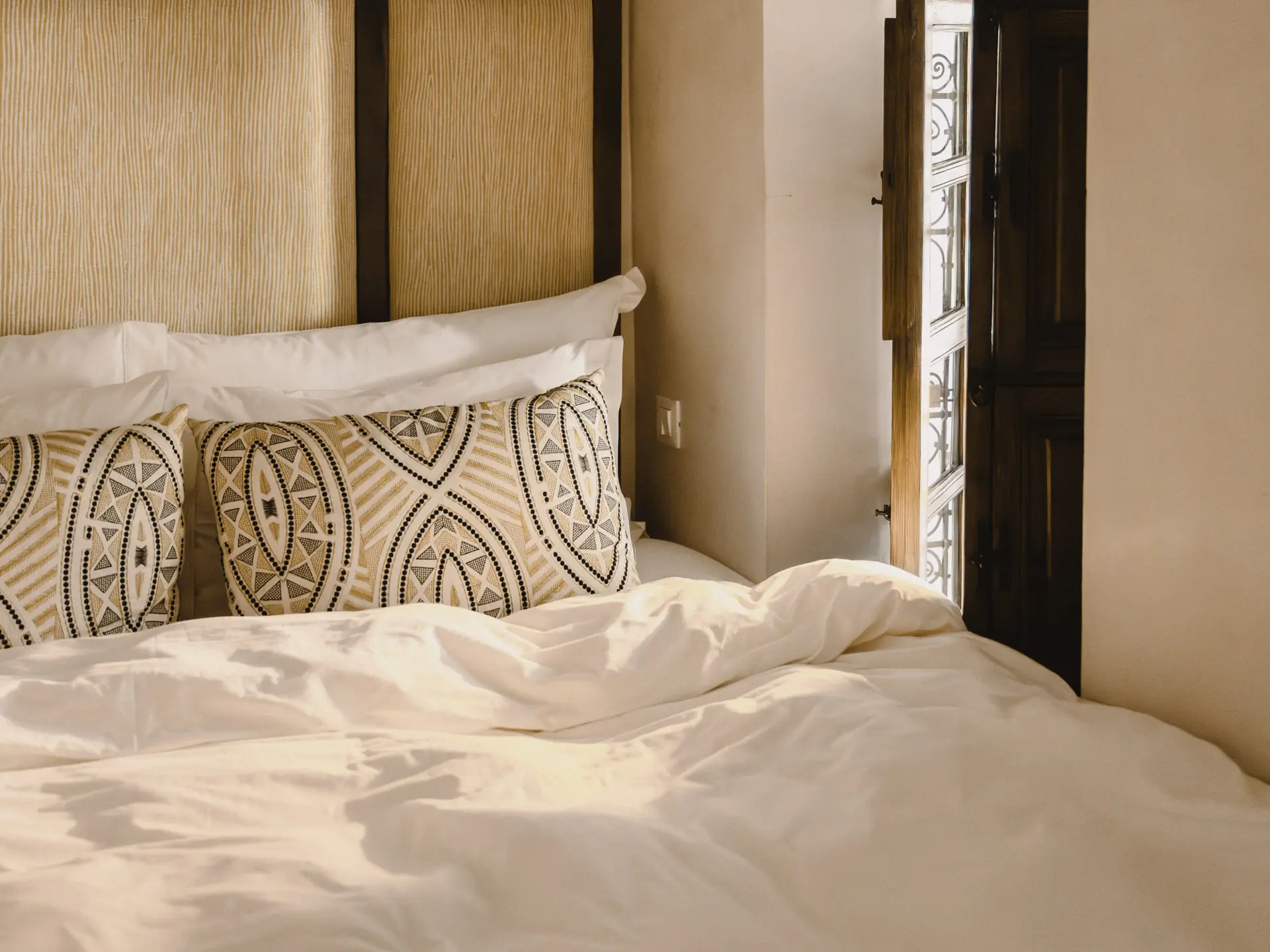
We worked with a small property in central Stockholm that the owners had spent years getting right (material choices, layout, the way morning light entered the breakfast room) and yet the website led with photographs taken by an estate agent at midday in February. The brief we agreed on was modest: three days of shooting, no styling, no models, no rearranging. The photographs that came out of those days didn't show new rooms; they showed the same rooms guests had been booking for years, but seen properly for the first time. The website that followed traded a feature list for a single sentence about the kind of morning a stay there could begin with.
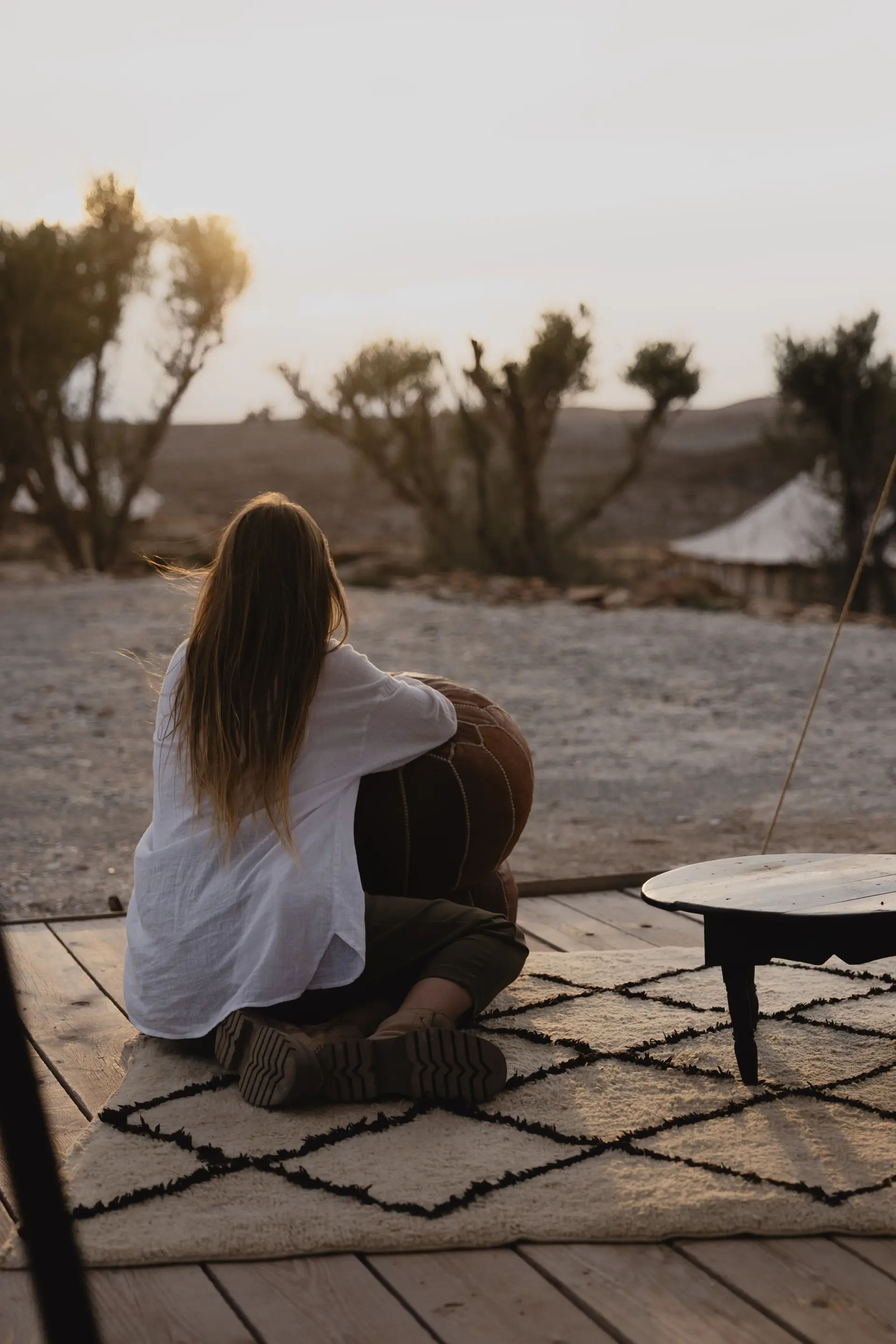
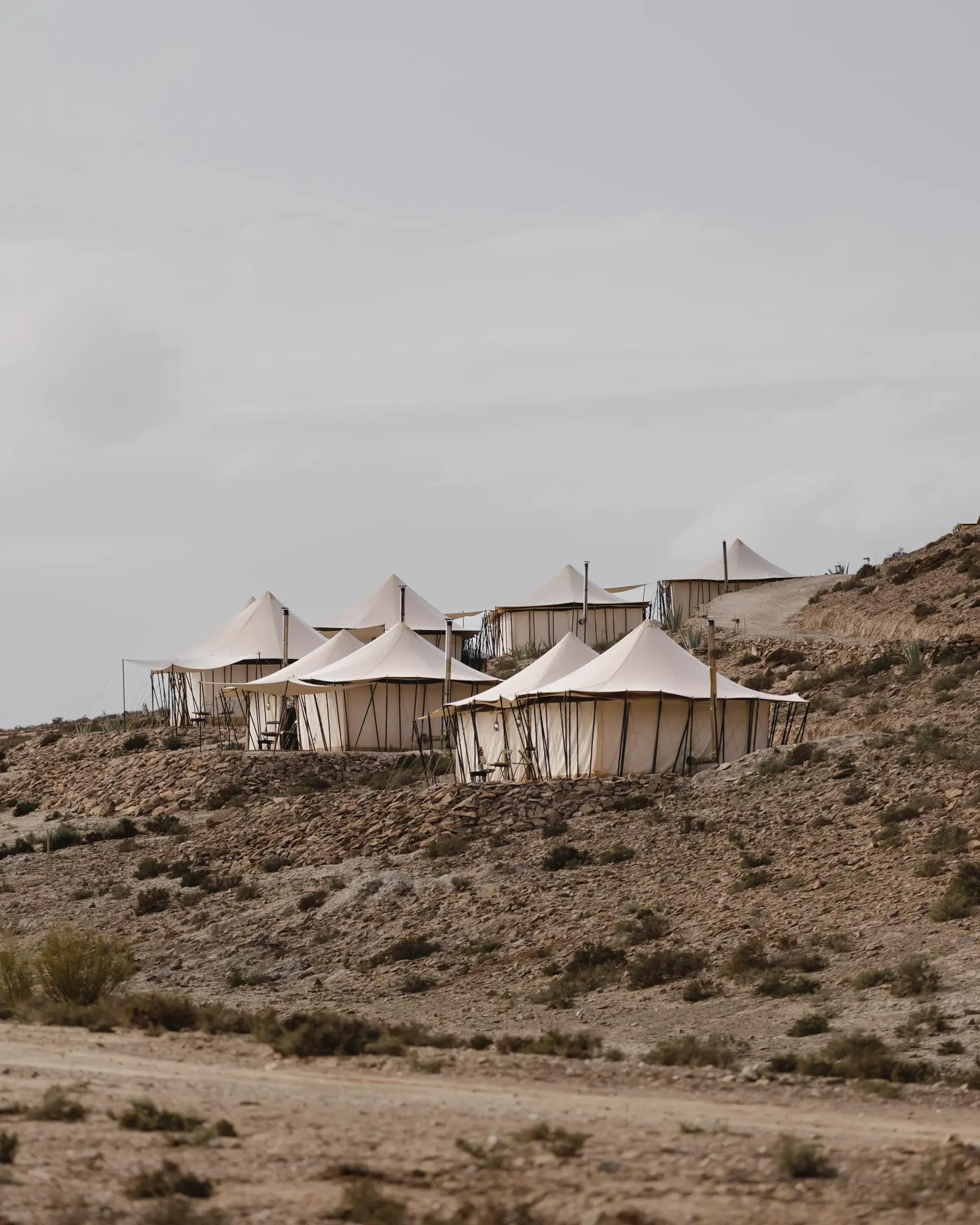
A second case, a desert camp in the Agafay outside Marrakech, came to us with a different problem: dozens of beautiful images and no thread between them. The framework gave us a constraint to work with: every new image had to belong to the same sensibility, even when the light was changing every five minutes. We left with a smaller library than we arrived with, but the library could be recognised as one place. That, in our experience, is the move most often undervalued by owners and most often noticed by guests.
The Thread That Brings the Right Guests Back
The boutique hotel exists because someone noticed things that big hotels missed; someone cared about details that no franchise checklist could capture. That caring is the brand. Keep that thread visible across photography, voice, identity, and ongoing documentation, and the right guests will find you. They won't always book on the first visit to the website, but the visit will leave a residue, and the residue is what brings them back when they're choosing where to spend the next quiet weekend.
Offpath Creative Studio specialises in visual direction and story-led photo and video production for boutique hotels, restaurants, and experience brands. If you're building a brand that refuses to be generic, let's talk about what coherence looks like for your property.
Let's talk